Belonging, Community and Black Life in Oxford, Mississippi by Maleah Briggs
Belonging, Community and Black Life in Oxford, Mississippi, is an audio documentary that intertwines the stories of two Black women at the University of Mississippi. Through their stories, I seek to contribute to ongoing conversations about contemporary Black belonging in Oxford, MS, both on campus and beyond the Grove.
This work features visual inserts of places and environments noted by its participants, graduate student Nia and alumna Jasmine, as they reflect on their undergraduate and graduate experiences. Both recount instances of curating the environments they sought and the value of cultivating community through embracing and experimenting with their horizons.
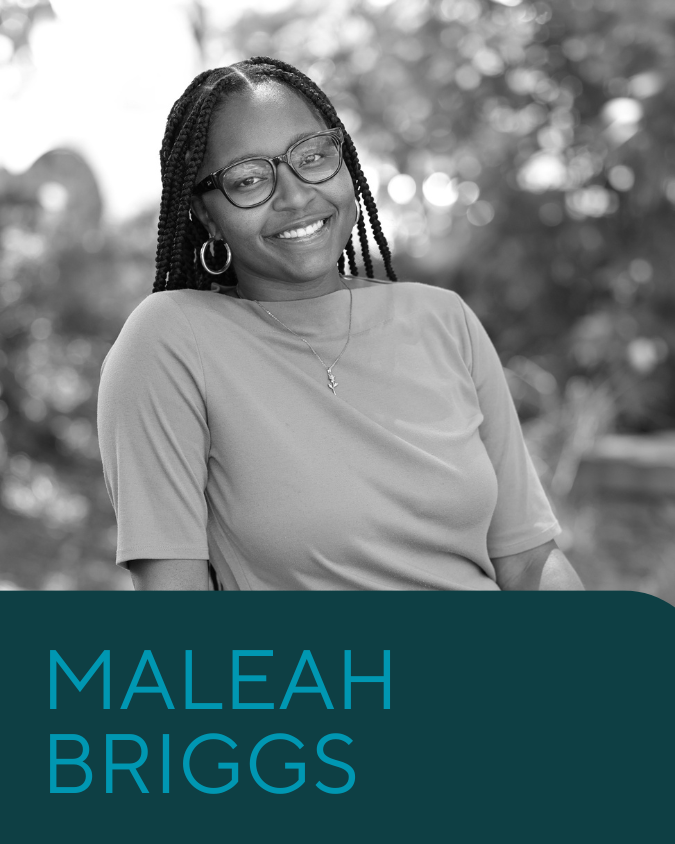
Maleah Briggs is a first-year History MA student, musical artist, and emerging cultural curator. A native of Jackson, Mississippi, she has research interests in American cultural history, Twentieth-Century U.S. history, African American history, and Ethnic studies. Her project explores reflections of belonging, community, and life among graduate students and alumni at the University of Mississippi.
Where Futures Take Root by Ale Brown
Where Futures Take Root is a short documentary that explores the work of the Mississippi Food Systems Network through its Mississippi Sprouts program, an initiative connecting early childhood education sites with local food, gardening, and community-based learning. Centered on an interview with program leader Edy and supported by observational footage, the film examines how relationships to food, place, and care begin to take root at an early age.
This project focuses on the everyday practices through which children encounter food—not only as something they eat, but as something they grow, touch, and come to understand over time. In these moments, knowledge and habits take root, but so do connections: between children and educators, between families and farmers, and between communities and the land itself. As Edy describes, this work is about helping people “have a sense of where they are in place and what that place is capable of.”
The documentary also considers the broader impact of this work on families and communities, particularly in expanding access to fresh food and creating opportunities for engagement with local agriculture. Through both interview and visual storytelling, the film attends to small, often overlooked moments of curiosity and learning as they unfold.
Ultimately, Where Futures Take Root presents this work as an investment in long-term well-being, where education, access, and care come together to shape what becomes possible.
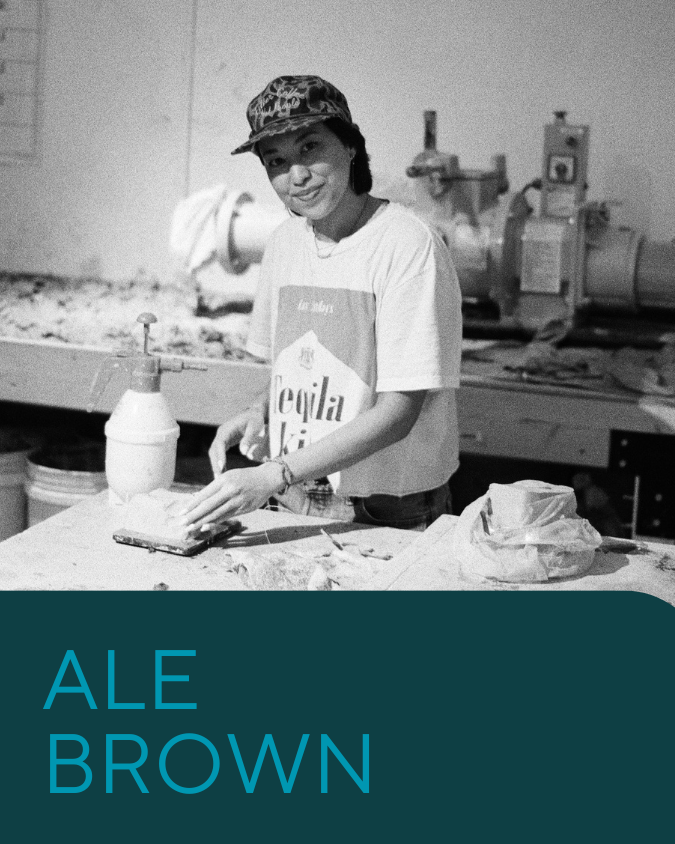
Ale Brown is a Southern Studies MA student at the University of Mississippi, where her work focuses on foodways, migration, and community-based storytelling. Originally from San Antonio, Texas, and now based in Mississippi, Ale brings a background as a chef and former restaurant owner to her research and creative practice.
Brown previously served as Director of Food and Sustainability at Magnolia Montessori School, where she developed programs connecting children to locally grown food. Her work is grounded in the belief that food is a powerful medium for understanding place, culture, and care. Through documentary film, photography, and oral history, Ale explores how everyday practices around food shape identity, connection, and belonging in the American South.
What is Southern Sustainability? by John Brugge
What is Southern Sustainability? is a short documentary film based on and around Earth Month events and the people participating in them on the Ole Miss campus. Each April in Oxford is a lively time of community and festivals under the Spring sun, and this documentary is intended to capture a few of the voices that contribute to its success. The broader mission of our sustainability-oriented offices and clubs ultimately are lived out by people, and capturing their thoughts and feelings helps steer and understand what the right steps forward for a better Mississippi are.
The world is a canvas, and art is not constrained to traditional mediums. Sometimes it’s covered in moss, found in the interplay of volunteers, or dug by the shovelful out of the ground. Our home in Mississippi is easily one of the most beautiful in the world. In asking What is Southern Sustainability?, we ask simply, “who keeps it so?”
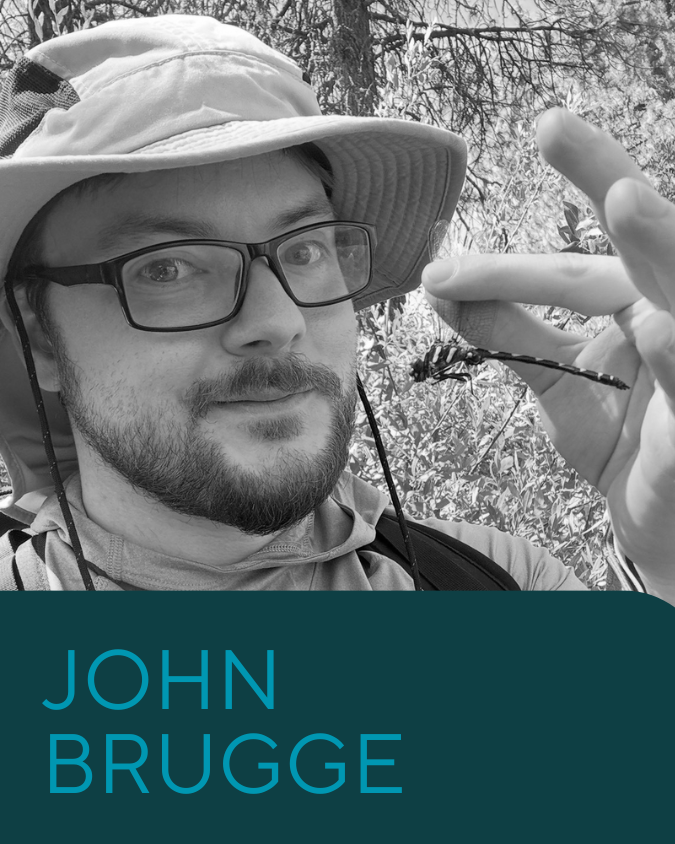
John Brugge is a Memphis-native sustainability professional and first-year Southern Studies MA student. In working to craft a narrative and understanding around the Southern relationship with our natural environment, he seeks to explore a new relationship and storytelling identity with sustainability in Mississippi and the surrounding region. Brugge specializes in mixed-media work, and especially enjoys playing with longform writing, prose, surrealist fiction, nonfiction, watercolor, and music.
In professional, academic, and artistic contexts, John seeks to build better systems, and blend the needs, ways of being, and aesthetics of the living and developed world together into a thriving whole.
Chasing Big Lou by Kiffany Dugger
Chasing Big Lou is a short documentary that traces the fragmented history of my fourth great- grandmother, an enslaved woman carried from the Upper South to Panola County during the nineteenth-century cotton boom. Her story, like that of so many enslaved women, exists in the margins—scattered across records that reduce her to property and in memories that struggle against silence. This film is both a historical inquiry and a personal reckoning.
Through oral history, archival research, and reflective narration, the film reconstructs a life shaped by forced migration, family separation, and survival.
This project is deeply rooted in my dual identity as both historian and descendant. This film explores the methods through which the legacies of enslaved ancestors have persisted across generations, despite incomplete historical records. The film further explores the extent of descendants’ obligations concerning the preservation, interpretation, and dissemination of narratives stemming from slavery, trauma, and survival.
Chasing Big Lou challenges the boundaries between history and memory, insisting that even partial stories carry profound meaning. It is an act of recovery, honoring a woman whose life was unrecorded, yet whose legacy endures. Through this film, I seek not only to tell her story, but to affirm that she—and others like her—were more than chattel. They were human beings who left behind lasting legacies that resonate through time.

Kiffany Dugger is a published author of both fiction and nonfiction, a historian, and a first-year PhD student in History at University of Mississippi. Originally from Batesville, Mississippi, she specializes in creating compelling stories that center Southern legacies, memory, oral history, and lived experiences. She strives to preserve the folklore and the complex yet richly layered history of Southern culture through film and historical narratives.
Her work seamlessly blends historical inquiry with emotional and spiritual reflection, illuminating the transformative power of storytelling. Across both film and the written word, she works to amplify silenced voices and safeguard stories that might otherwise fade from memory.
The People Who Make the Place by Macleigh Guest
“Observing and investigating the everyday residents of Oxford, I photographed people in their daily lives, walking, working, and interacting with the space around them. I wanted to showcase the subtle ways that everyday people influence their environment. As well as pay attention to the unplanned and unconscious actions.
These images showcase a variety of experiences and highlight the intricacies of daily life such as how a space can be reflected throughout the little things shown in people’s behaviors and choices. Oxford is a unique place, and the people who inhabit the small town create a shared experience for all to enjoy.”

Macleigh Guest is a Senior, Southern Studies major from Marvell, Arkansas. In her free time, she enjoys reading, going on walks with friends, and spending time in nature. Through photography, she hopes to capture an authentic narrative and highlight the community she loves.
Three Paths, One Purpose by Lauren Holtzhower
This audio documentary highlights three areas of healthcare therapy, Occupational Therapy (OT), Physical Therapy (PT), and Speech-Language Pathology (SLP). For this project, I am first interviewing an Ole Miss Senior, Emily Davis who is graduating this May and then is attending LSU Health Shreveport shortly after graduation to obtain her Doctorate in Occupational Therapy. Then I will be interviewing a pre-physical therapy student, Catherine Hardouin, who is a Junior at Ole Miss currently starting the application cycle for PT schools.
Lastly, I am interviewing Kaila Marino, an Speech-Language Pathologist professional in Oxford. Within my audio documentary I hope to bring awareness to these areas of practice and show how they are all connected yet different in their own ways. My title, “Three Paths, One Purpose” highlights this especially because these careers are all very different. They coexist to share the same purpose to rebuild mobility, ability, and independence.
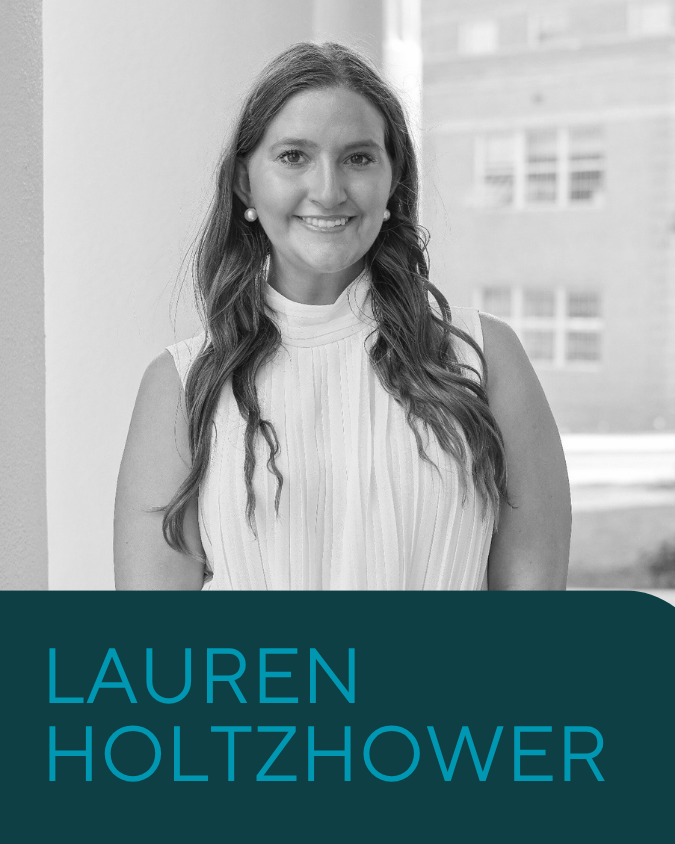
Lauren Holtzhower is a senior Southern Studies major and a Criminal Justice minor at the University of Mississippi. Originally from Gainesville, Florida, Holtzhower moved around a lot growing up and now currently reside in Woodstock, Georgia, just thirty minutes north of Atlanta, Georgia.
Following graduation, she plans to return to Woodstock, Georgia to work and complete additional coursework at Kennesaw State University in preparation for applying to occupational therapy programs. Holtzhower is deeply passionate about supporting individual mobility and independence, and she hopes to gain meaningful, hands-on observational experience across a variety of occupational therapy settings.
What the Land Keeps by Sophia Jaqubino
What the Land Keeps engages with the complex and often difficult history of the Harris-Moody Brick property in Hollywood, Alabama. The property and home serves as a physical record of labor, ownership, and memory. From its ties to early industry and proximity to the Bellefonte export area, to the enslaved labor that contributed to its construction, the property reflects a complex and often contested Southern past.
This work asks a central question: what story does this place tell, and who gets to tell it? The Harris and Moody families, enslaved workers, Union soldiers, and later spectators all exist within the site’s history, yet their presence is not equally remembered or represented. Public perception often simplifies or romanticizes spaces like this, creating narratives that obscure the realities embedded within them.
Using shadow play, contrasting compositions, and attention to natural elements, the images highlight tension between visibility and absence. Establishing shots of the house and barn situate the viewer. Closer, more intimate images of the family cemetery and unmarked grave sites invite reflection on memory, loss, and legacy.
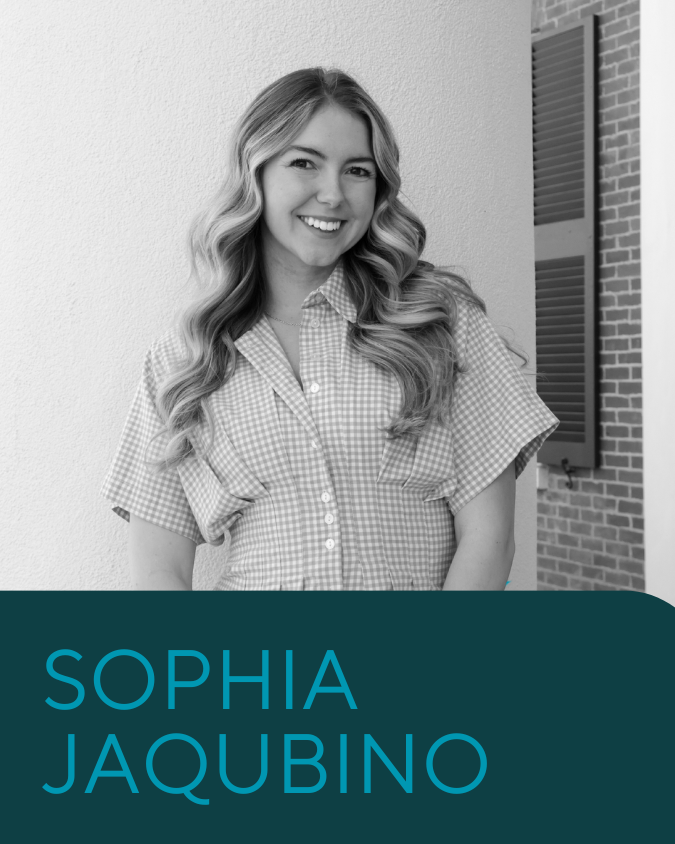
Sophia Jaqubino is a junior Southern Studies major at the University of Mississippi from Huntsville, Alabama. Her work explores the relationship between place, memory, and the layered histories embedded within Southern landscapes.
Drawing on interdisciplinary study in history, culture, and power, she focuses on how public perception shapes and defines our understanding of historic sites. Through photography, Jaqubino documents spaces marked by labor, legacy, and erasure.
Mulberry Cottage Industries by Maggie Jones
Mulberry Cottage Industries is an audio documentary about Lee Waltress and her yarn shop, Mulberry Cottage Industries, in Pontotoc, Mississippi. Lee, a retired elementary school math and art teacher, discusses her early life and her motivations for opening a yarn shop, while also outlining the kind of work she does to keep it running.
As the only yarn shop in Northwest Mississippi, Lee’s shop attracts fiber artists from all over the state, and even those who travel from Tennessee and Alabama, looking for fine yarn. Now working alongside her daughter, Lee’s art studio, turned yarn shop, turned alteration shop, is a culmination of all of her passions.
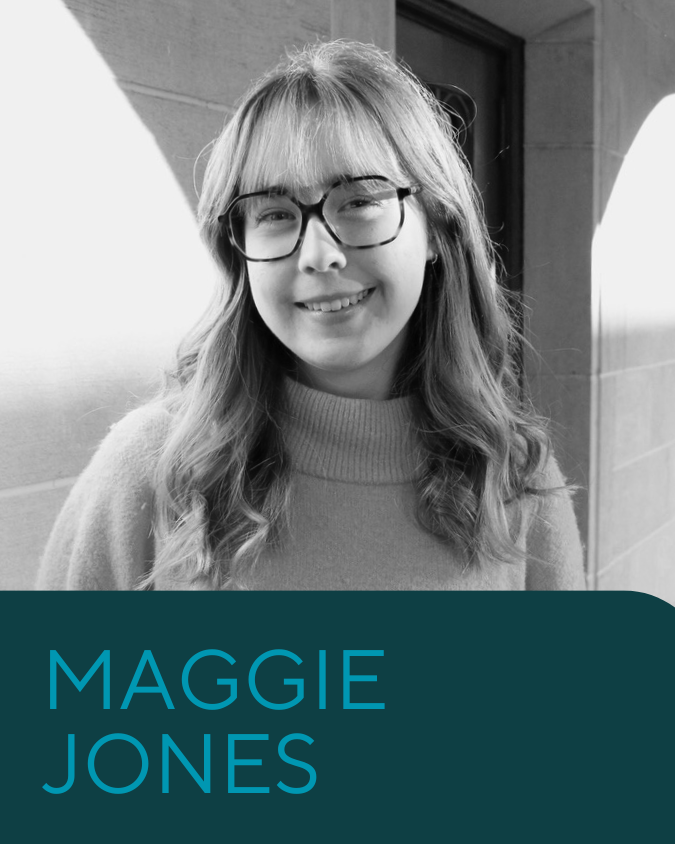
Maggie Jones is a first-year M.A. student in Southern Studies at the University of Mississippi. Originally from Atlanta, Georgia, her work focuses on women’s history during the Progressive Era. Outside of academics, she is an avid knitter.
Faith Across Borders: International Students and the Church of Pentecost at Ole Miss by Mary Kabore
Faith Across Borders: International Students and the Church of Pentecost at Ole Miss explores how international students at the University of Mississippi create a sense of belonging through faith. Focusing on the Church of Pentecost Students Association (PENSA), the film documents how students use religious gatherings not only for worship but also as spaces of connection, support, and shared identity.
As an international student, I was drawn to this project through my own experience of displacement and adjustment. Arriving in a new country often comes with feelings of isolation, unfamiliarity, and distance from home. For many of these students, the church becomes more than a place of worship. It becomes a social and emotional anchor. Through church services, shared meals, visits to one another’s homes, and collective travel to conventions such as Easter gatherings, they build relationships that resemble family.
This project captures everyday moments that reflect care, solidarity, and cultural continuity. It shows how faith operates as a bridge between home and host country, allowing students to navigate academic and social life while maintaining a strong sense of identity. By documenting these interactions, the film highlights the role of religious community in shaping the lived experiences of international students and sustaining them across borders.
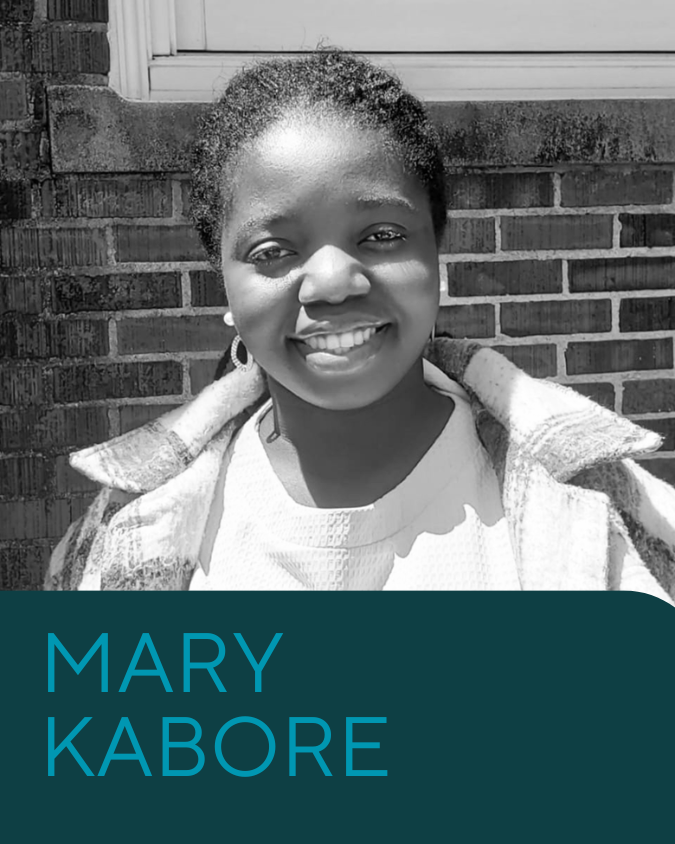
Mary Kabore is a Master’s student in Ethnomusicology at the University of Mississippi. Her work focuses on sound, community, and identity, with particular interest in how diasporic communities use music and religious spaces to sustain cultural connections. As an international student, her research is shaped by her own experiences of migration, belonging, and adaptation.
Kabore engages documentary photography and film as tools for storytelling, using visual and sonic methods to capture everyday life and lived experiences. Her current project explores how international students at Ole Miss build community through faith-based practices within the Church of Pentecost Students Association (PENSA).
Coffee Shops in Oxford, MS by Ella Koecke
During this project, Coffee Shops in Oxford, MS, Koecke’s goal was to tell a story of how coffee shops act as community hubs. They are places where different populations intersect, people release their vulnerability, and everyday life unfolds.
Through photography, she aims to capture how these locations serve as places that reflect both the traditions of the South and the influence of a modern college town.
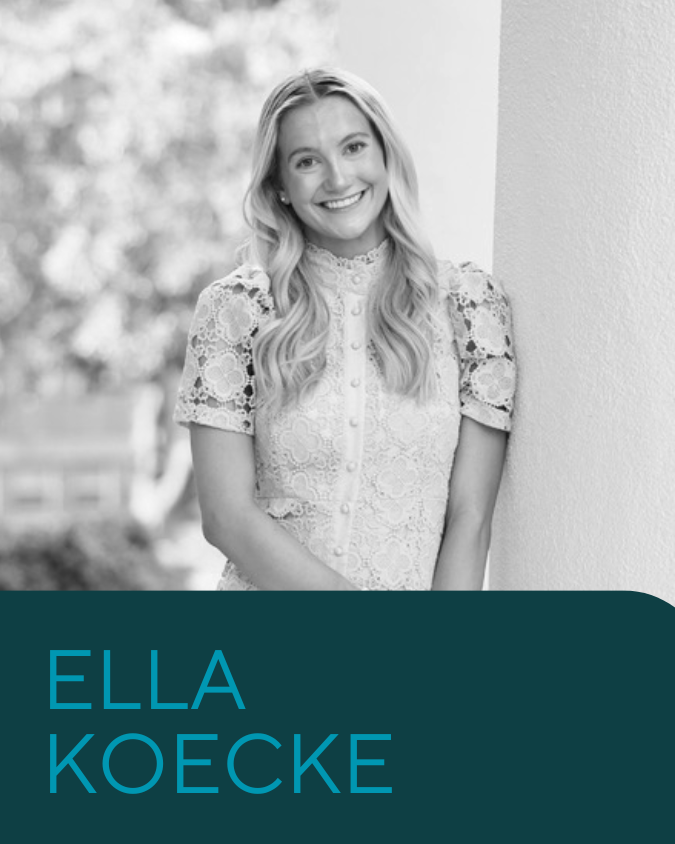
Ella Koecke is a senior at the University of Mississippi majoring in Southern Studies. Originally from Franklin, Tennessee, Koecke felt she was unfamiliar with the state of Mississippi before coming to university, but she did feel she knew a lot about “The South.”
Nearing the end of her undergraduate studies, Koecke says she can fully agree with what William Faulkner once said: “To understand the world, you must first understand a place like Mississippi.” Koeche says, “This state has given me some of the greatest opportunities I’ve ever received, some of the kindest people I’ve ever met, and some of the most beautiful sites I’ve ever seen.”
Behind the Scenes of The Sipp on South Lamar by Skylar Lynch
Behind The Scenes of The Sipp on South Lamar is a short conversational interview conducted by one of the owners of The Sipp on South Lamar, Claire Kiamie, and Skylar Lynch. Discussing the process of opening and running a successful restaurant in a small southern town, like Oxford, MS, we covered ideas of planning, funding, and gaining traction. This includes difficulties and triumphs of the restaurant industry, and how she built the restaurant from the ground up. Explaining her process gives a unique opportunity to understand the underworking’s of the business world.

Skylar lynch is a third-year undergraduate Southern studies student at the University of Mississippi. Originally from Delaware, she came to the University of Mississippi because of her passion for the South.
During undergrad, she had the opportunity to be a southern studies major, something that was not attainable near her hometown, and minor in business. She learned about the history of the South, and how businesses are made. Because of this, she chose to interview a local in Oxford, Mississippi. She gets an inside look into how small southern towns operate, highlighting one small business.
Days One Through Six Sydney Stepp
“Days One Through Six” is a photography project that attempts to capture the quiet, everyday essence of St. Peter’s Episcopal Church in Oxford, Mississippi. Relying heavily on the physical presence of the church, the project focuses on both the large and small. By showing features such as organ pipes, stained glass windows, and red-cushioned pews, the project showcases the church in its glory as it is outside of Sunday worship.
This project emphasizes the importance of physical space in both Southern and religious cultures.
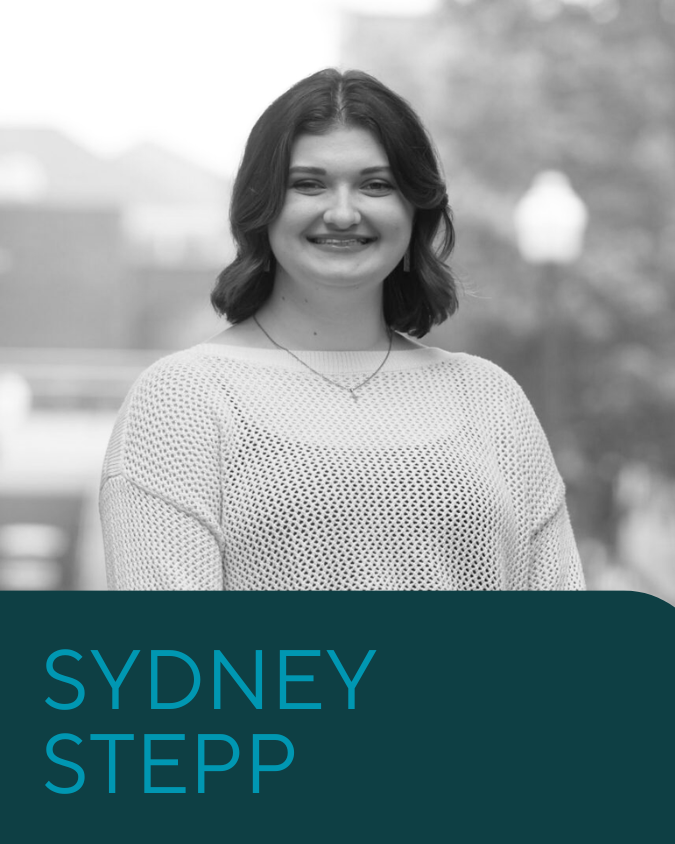
Sydney Stepp is a junior Southern Studies and English major at the University of Mississippi, hailing from Lawrence County, Tennessee. Her research interests include religion, queerness, and literature in the American South, and she uses these interests to help inform and guide her creative works.
Outside of coursework, she serves as the managing editor for The Daily Mississippian and as an ambassador for the College of Liberal Arts
knock of you need anything! by Merritt Tompkins
knock if you need anything! is a photography project that seeks to show the suburban South. The project seeks out the ordinary, attempting to showcase the beauty and decay of the Southern suburban landscape.
knock if you need anything! is also an intervention on what it means to live in suburbia, pushing against narratives of sameness and monotony. Finally, this project is a way to show how manufactured communities can successfully build community and belonging, even in transitory spaces.
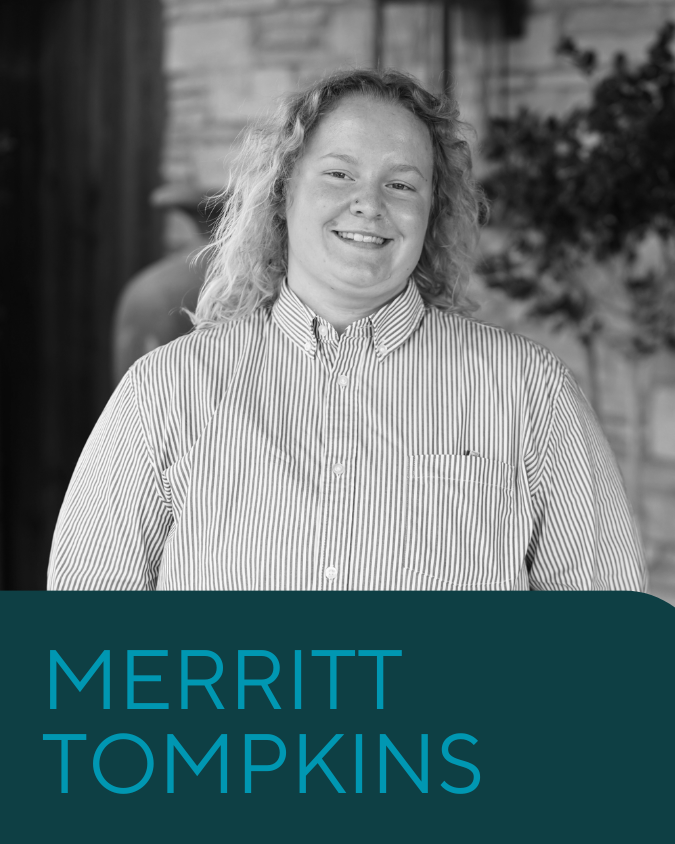
Merritt Tompkins is a first-year Southern Studies MA student from the suburbs of New Orleans. Their research centers on liquor regulation, production, and consumption in Mississippi post- prohibition era. Outside of the classroom, Merritt enjoys spending time with their cats, Jonesy and Casey, reading, and driving their truck, Deb.