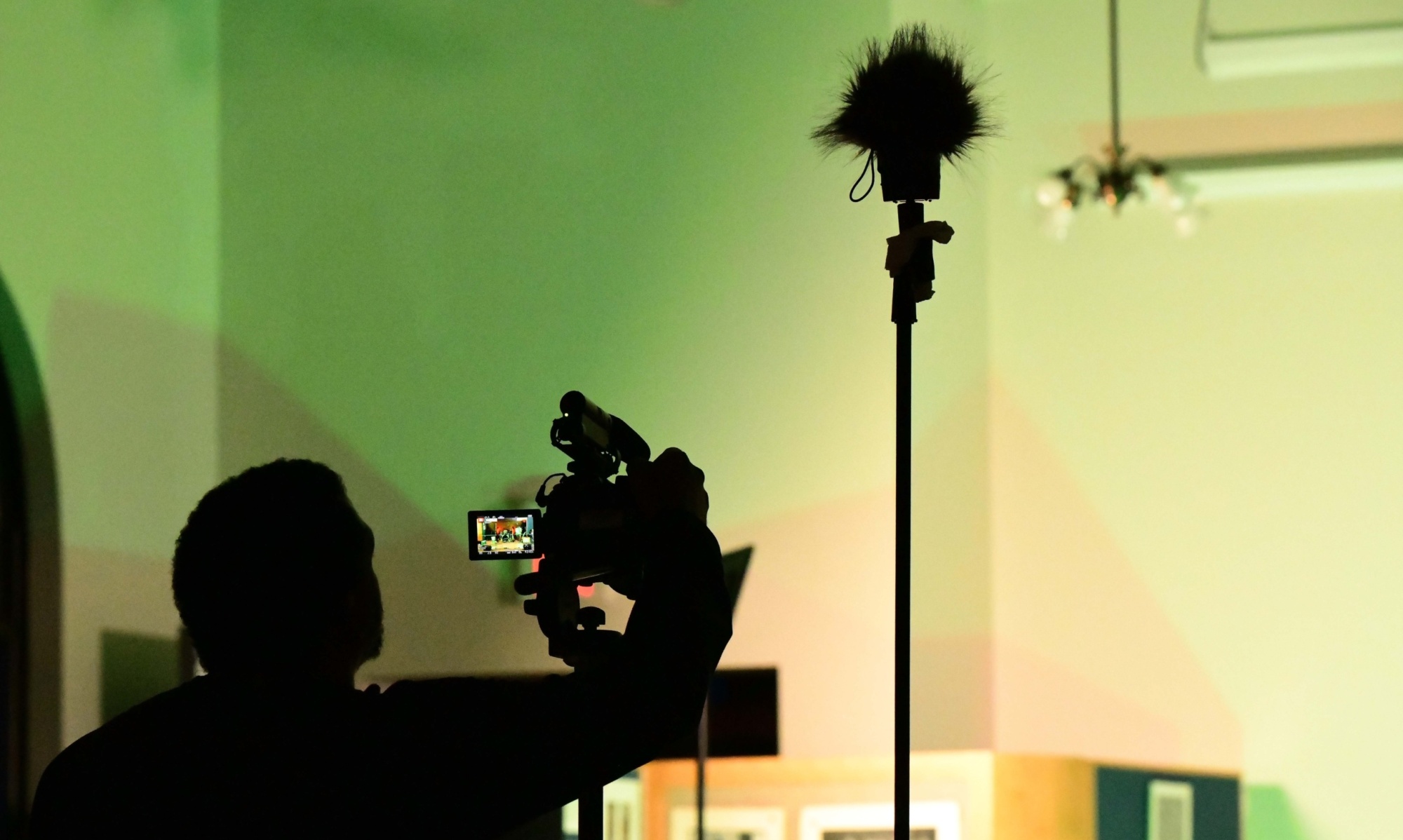
Rhythms of Tradition (film) by Ernest Adonoo
Rhythms of Tradition is a short ethnographic documentary that explores the rehearsal culture of the Ole Miss African Drum and Dance Ensemble, a dynamic community where music, movement, and identity intertwine. This project emerges from my dual role as both a master drummer within the ensemble and an ethnomusicology student committed to understanding how cultural knowledge is practiced, embodied, and transmitted.
The film documents the ensemble’s rehearsal space as a vibrant site of teaching, memory, and collaboration. Through close-up visuals, ambient sound, and participant voices, the documentary highlights how rhythms are learned not only through instruction but through collective energy, repetition, and shared presence. It showcases the ways African diasporic traditions thrive within a university setting, shaped by the dedication of students, faculty, and community members.
My creative approach blends observational filmmaking with ethnographic sensitivity. By centering the performers’ perspectives, I aim to illuminate the cultural and emotional significance of drumming and dance as forms of heritage, education, and community-building. The film seeks to honor the ensemble’s commitment to preserving African musical traditions while revealing the lived experiences behind each rehearsal.
Ultimately, Rhythms of Tradition invites viewers to witness rehearsal as a ritual, an artistic process that sustains culture, fosters belongingness, and celebrates the expressive power of rhythm.
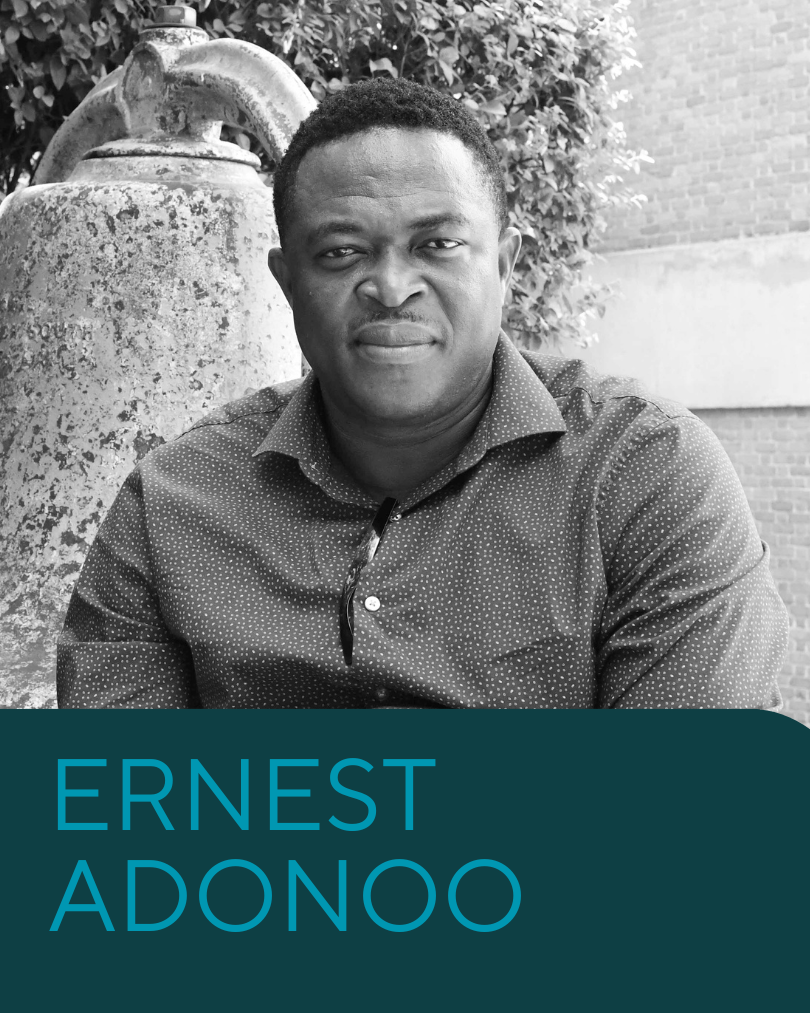
Ernest Elikplim Kwabla Adonoo, also known as Eli, is an educator, musician and a cultural enthusiast dedicated to learning, community life activities and a lover of artistic expressions. A second-year Ethnomusicology graduate Student at the University of Mississippi, he brings experiences such as teaching, choral directing and a versatile performer on Ghanaian drums and trombone.
Rhythms of Tradition is a short ethnographic documentary that explores the history and rehearsal culture of the Ole Miss African Drum and Dance Ensemble, (OMADDE) a dynamic community where music, movement, and identity intertwine. This project emerges from his dual role as both a master drummer within the ensemble and an Ethnomusicology student committed to understanding how cultural knowledge is practiced, embodied and transmitted.
Jaz: A World in Transition (film) by Amanzi Arnett Dowdy
Jaz: A World in Transition is a short documentary that follows Memphis-based, transmasculine writer Jasper “Jaz” Joyner as they reflect on gender identity, embracing change, and the constant process of becoming. It centers Jaz’s idea that their gender is “Black,” not just in a cultural sense, but a spiritual and ancestral one — shifting, and resistant to being confined to a single label. The film utilizes this concept to explore gender as a mirror to the natural world as it can be expansive, grounding, and always transforming.
Writing and meditation become the tools Jaz uses to navigate that inner world of loss, love, and healing. Each creative act becomes its own small transition, a moment where Jaz emerges changed. The film also explores the reality of being openly trans and queer in the South, highlighting the risks involved and how art can serve as a sanctuary of safety and honesty. Jaz’s story invites viewers to see change not as uncertainty, but as liberation.
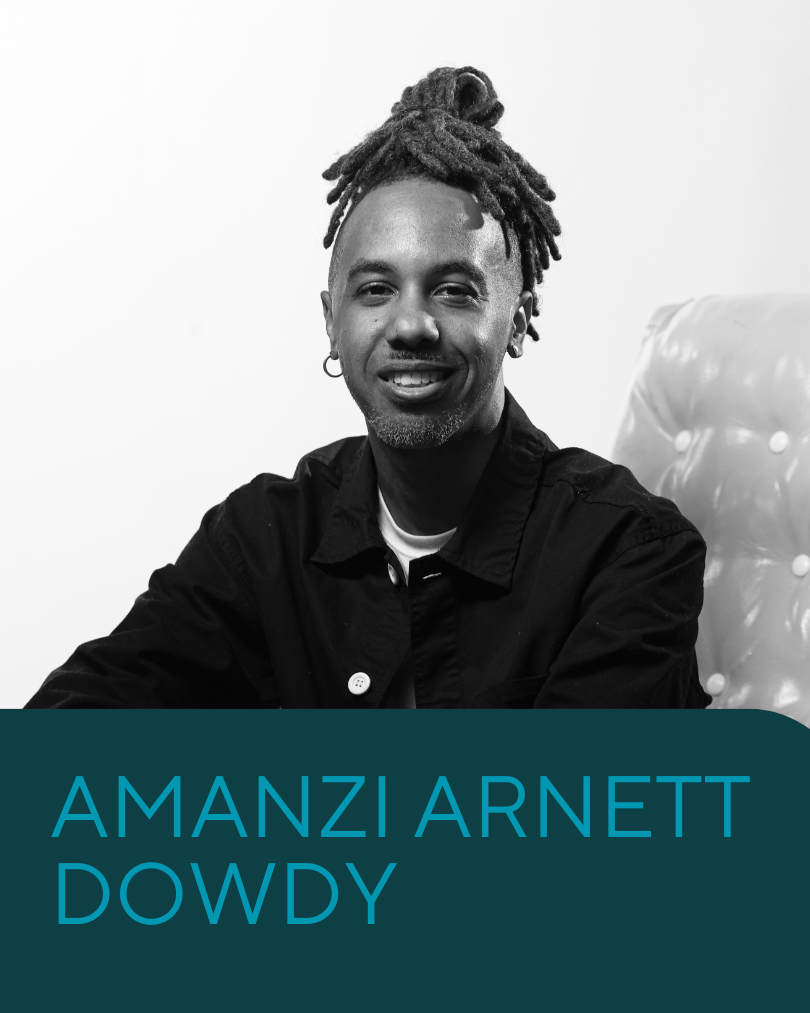
Amanzi Arnett Dowdy is a first-year student in the Southern Studies M.A. program at the University of Mississippi and a multidisciplinary artist based in Memphis, Tennessee. Their work centers on preserving the stories of Black and queer communities and spaces across the South.
In 2021, Amanzi was awarded the Indie Memphis Screenwriting Fellowship, during which they completed a feature-length screenplay titled I’ll Fly Away. As a composer, they have collaborated with the Memphis-area chamber orchestra PRIZM Ensemble, presenting original compositions in concert at the historic LeMoyne-Owen College. Amanzi also wrote and scored their first short film, Shine On: The Story of Tom Lee, produced by Last Bite Films and released in May 2025.
Helping Hands, Collective Care (audio & photography) by Ayana Jones
Helping Hands, Collective Care is an audio portrait accompanied by a photographic slideshow that explores how volunteer service shapes both community organizations and the people they support. These stories illuminate the quiet, consistent work that sustains nonprofits serving needs-based and low-income individuals across our region.
By recording oral histories alongside everyday images of service, I aim to show not only what volunteers do, but why their contributions matter to organizations whose missions depend on collective effort. The audio portrait format captures the deep passion each narrator holds for giving back and for building systems of support where formal resources are limited.
This project considers change: how volunteerism evolves, how communities rely on these programs, and how service cultivates shared responsibility. Rather than highlighting a single narrative, the work holds multiple perspectives in conversation, revealing the interconnectedness of students, staff, and community leaders in sustaining meaningful work.
Ultimately, this documentary is an invitation to reflect on the power of service. Not as charity, but as a practice rooted in care, dignity, and community resilience.
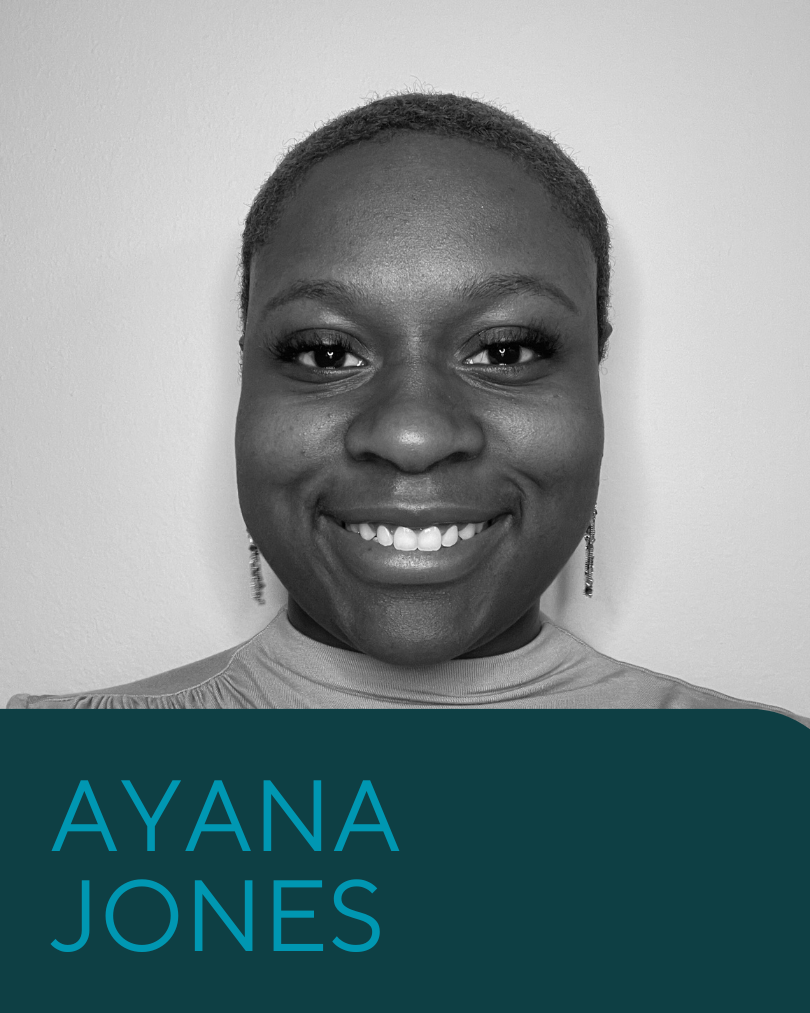
Ayana Jones is an advocate and cultural historian from Philadelphia, MS, where her commitment to justice took shape through local organizing and youth advocacy. A graduate of Jackson State University with a B.A. in History, she has collaborated with a range of community-based organizations, nonprofits, and state institutions to strengthen community networks and expand public understanding of place-based histories.
Jones is passionate about interpreting Mississippi’s stories with care, nurturing connections in rural communities, and uplifting voices often overlooked. Through her graduate studies, she seeks to deepen her skills in documentary practice and strengthen tools that foster dialogue, civic engagement, and community-centered storytelling.
The Valley is Rising (film) by Janelle Minor
The Valley Is Rising is a documentary short film that tells the story of Mississippi Valley State University, a small HBCU in Itta Bena, Mississippi, founded in 1950. As MVSU celebrates its 75th anniversary, the film highlights both the university’s profound impact on individuals and the persistent resource limitations that hinder institutional-level change.
The documentary centers the voices of three narrators: Athletic Director Alecia Shields-Gadon, Head Football Coach Terrell Buckley, and freshman defensive back Joey Davis.
Each offers a distinct perspective on MVSU athletics. Starting with administrative vision, moving to coaching philosophy, and concluding with lived experience of a student-athlete. Together, their stories reveal the transformative power of HBCUs, the resilience of small rural institutions, and the community that continues to sustain Mississippi Valley State University.
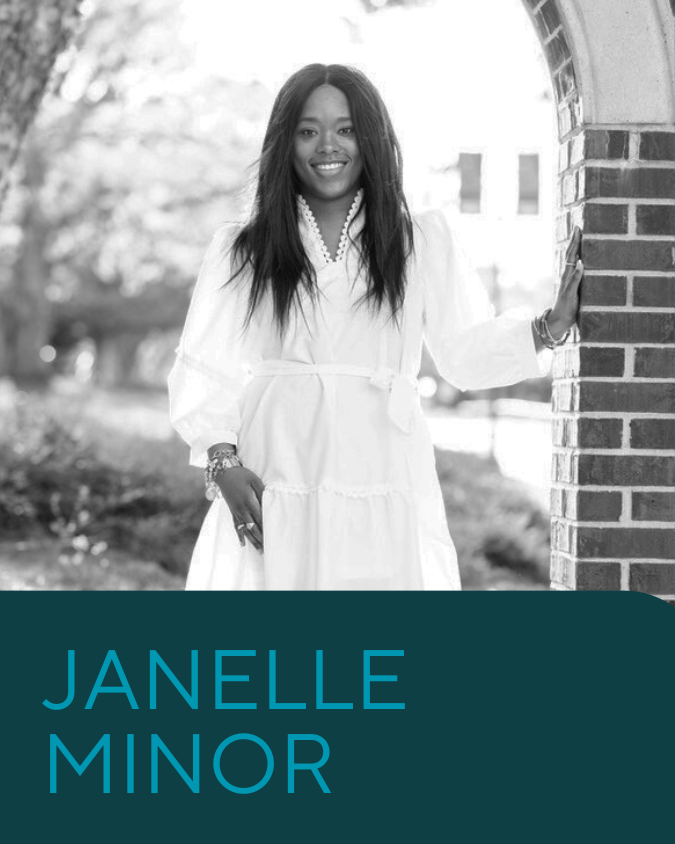
Janelle Minor is a native of Oxford, Mississippi, and a first-year M.A. student in Southern Studies at the University of Mississippi. With a multidisciplinary background in Journalism, Public Policy Leadership, and African American Studies, each of these unique perspectives fuels her previous research and current storytelling. She is committed to documenting how both state and national policy can shape the lives of African Americans.
With deep family ties to the Mississippi Delta and Memphis, Tennessee, Minor has long observed how the lived experiences of Black communities in politically charged areas can differ from dominant narratives. Through previous research on Name, Image, and Likeness (NIL) and her current documentary work, she challenges the status quo and expands understandings of who lives in, and influences, the contemporary South.
Bring Your Glasses, We’ll Take Them by Samson Oklobia
This film is centered around the glass drive organized by John and Hailey, together with the office of sustainability on Campus to encourage Oxford residents and students to recycle glass despite the challenges it poses.
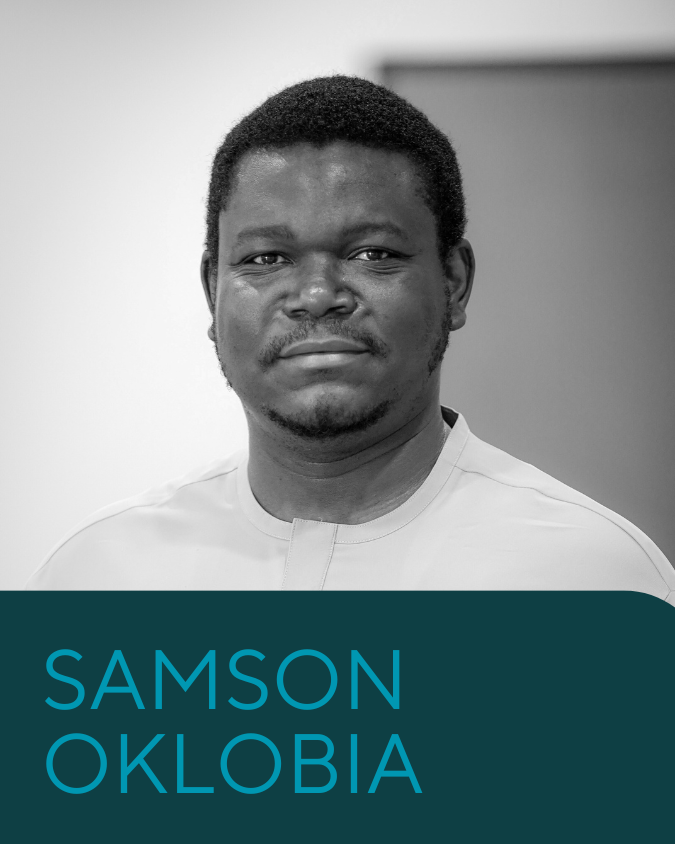
Samson Oklobia is a storyteller with a background in filmmaking and television production. A graduate of Mass Communication from the University of Jos, he got his training as a Cinematographer and High-Def Filmmaker from PEFTI Film Institute, Lagos and New York Film Academy, Abu Dhabi.
Oklobia is an MA candidate with the Center for the Study of Southern Culture and the graduate assistant with the Southern Documentary Project at the University of Mississippi.
What We Carry, What We Keep (audio & photography) by Deja Samuel
In the South, love isn’t new. It’s just learning to bloom out loud.
What We Carry, What We Keep is a photo/audio exploration of two lovers whose relationship sits at the heart of Oxford, Mississippi’s queer nightlife. Through time spent in their home, we discuss how they’ve sustained joy, built community, and nurtured a space that began in 2013 as the small seed of a party and has grown into Code Pink, a vital queer gathering in a conservative landscape.
This project looks at love as an act of change: how these partners chose to stay, to hold space, and to see possibilities where others saw limits.
Their stories reveal what it means to carve out room for oneself when none is offered, and how joy becomes not just a feeling, but a practice of resistance. Through intimate portraits and quiet moments between them, I aim to show that queer love is not only personal, but architectural. It shapes communities, shifts cultures, and keeps the lights on for the next generation who need a place to belong. What We Carry, What We Keep is a love letter to queer Southerners who keep choosing tenderness in a world that once told them to hide.
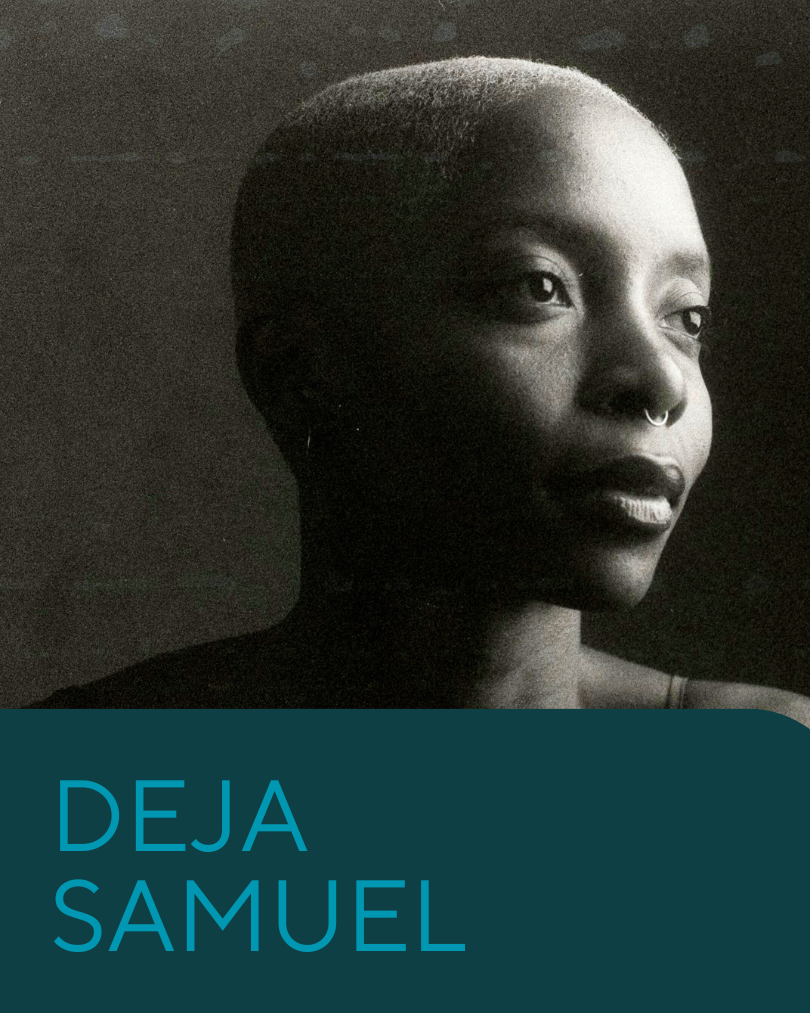
Deja Samuel is a photographer and first-year southern Studies graduate student from Hattiesburg, Mississippi, Her work sits at the intersection of documentary practice, everyday ritual, and the search for the sacred within the mundane. Before entering graduate school, she developed a body of work that grew far beyond the classroom, photographing weddings, family histories, and intimate moments that often unfold in the quiet spaces between major milestones.
Samuel is interested in visual narratives that marry the sacred and the mundane, exploring how faith, identity, and community shape the Southern experience. Her current research and creative work examine spiritual life within queer communities, using photography as a way to honor presence, truth, and the complexity of belonging. Looking ahead, she hopes to expand her documentary practice across regions and cultures, contributing to global storytelling platforms while remaining rooted in the people and places that first shaped her vision.
Under the Ink (film) by Cody Stickels
This short documentary takes a peek behind the tattoo gun, following Natasha Gaddy, a tattoo artist at Wander In Ink Tattoo in Memphis, TN. In her studio, calmness coexists with the sting of the needle, reflecting the dual nature of tattooing and the connection between art and mental health. As Natasha shares her own story, she shows how tattooing can provide healing that goes far beneath the ink.
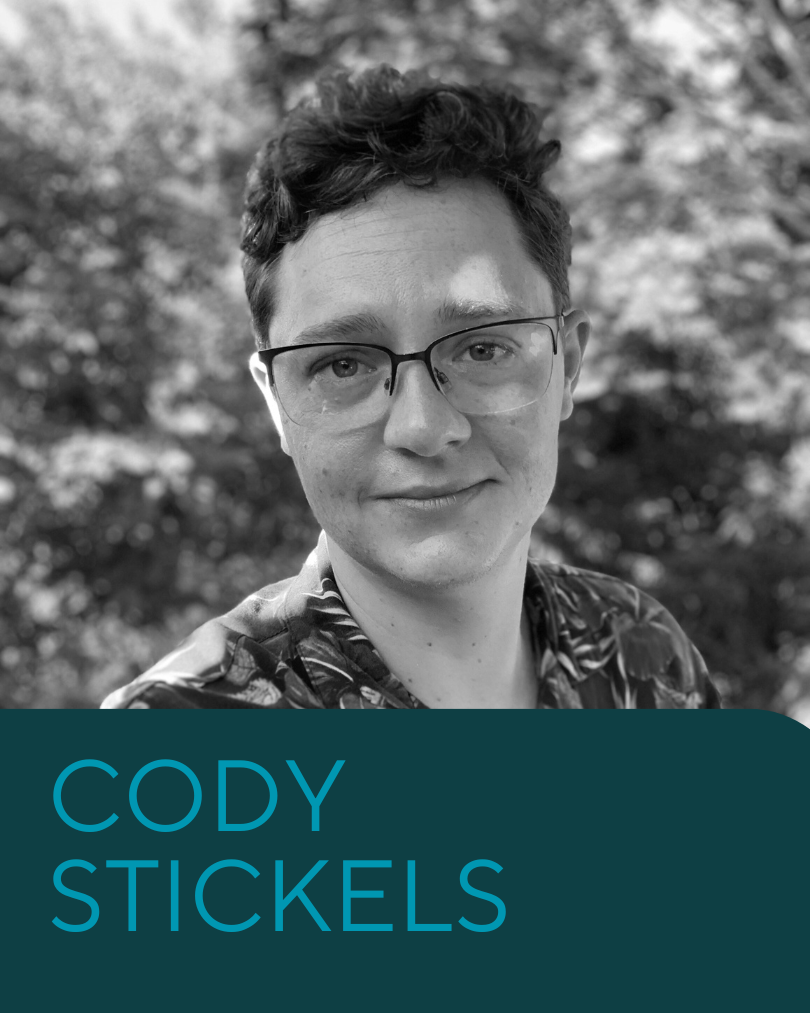
Cody Stickels is a filmmaker who crafts heartfelt, character-driven stories that celebrate comfort, humor, and resilience. He is a 2025-2026 Chicken & Egg (Egg)celerator Lab cohort member and was selected for the 2024 Film Independent Documentary Story Lab. Cody’s last film won the audience award for Best Documentary at New York City’s NewFest Film Festival and screened internationally at BFI Flare, Inside Out, and Woodstock. He graduated from New York University with a BFA in Film & TV and an MA from NYU’s Gallatin School of Individualized Study, earning an Award for Outstanding Interdisciplinary Work.
Soul Force: Producing the Voice of Black Oxford by Dr. Castel Sweet
Soul Force: Producing the Voice of Black Oxford explores the history and ongoing legacy of Soul Force, a community publication created by the Oxford Development Association (ODA) in 1970 to share news, stories, and updates within Oxford’s Black community. For more than three decades, Soul Force served as both a communication tool and a cultural mirror capturing everyday life, community pride, local events, and the transformation of Oxford through the eyes of Black residents.
This project weaves together recorded conversations with longtime editor Clarence Franklin and members of L.O.C.A.L. (Lafayette Oxford Community Archiving Legacy), a group working today to preserve the Soul Force collection at the Burns-Belfry Museum. Their voices shape the narrative, reflecting on how the publication came to be, what it meant to the community, and why its preservation matters now.
Archival issues of Soul Force serve as visual companions to the audio piece, grounding listeners in the publication’s texture, artistry, and community significance.
Through sound, images, and storytelling, this project highlights the essential role Soul Force played in shaping Black identity and collective memory in Oxford. It also celebrates the work of present-day archivists who ensure that these histories remain accessible. Ultimately, the project invites audiences to recognize preservation as an act of community care and to see Soul Force not only as a newspaper, but as a living archive that helped Black Oxford see and define itself across generations.
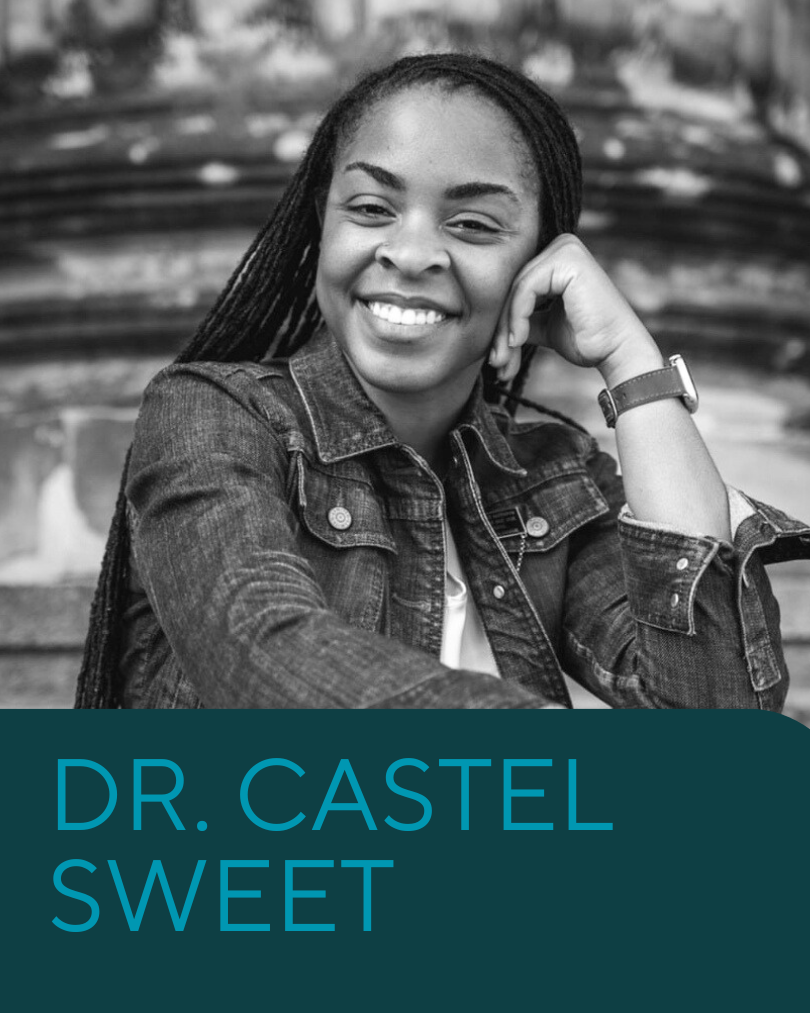
Dr. Castel Sweet is a community-engaged scholar from Memphis, Tennessee. Her work centers the lived experiences and collective memory of Black Southern communities. As Director of the Center for Community Engagement at the University of Mississippi, she builds collaborative projects that honor local histories and expand community voice. Through her creative practices, her work foregrounds the importance of community care, intergenerational knowledge, and the power of everyday people to preserve and tell their own stories.